 askforamy.com – Fast Reports & Morning News Briefs
 askforamy.com – Fast Reports & Morning News Briefs
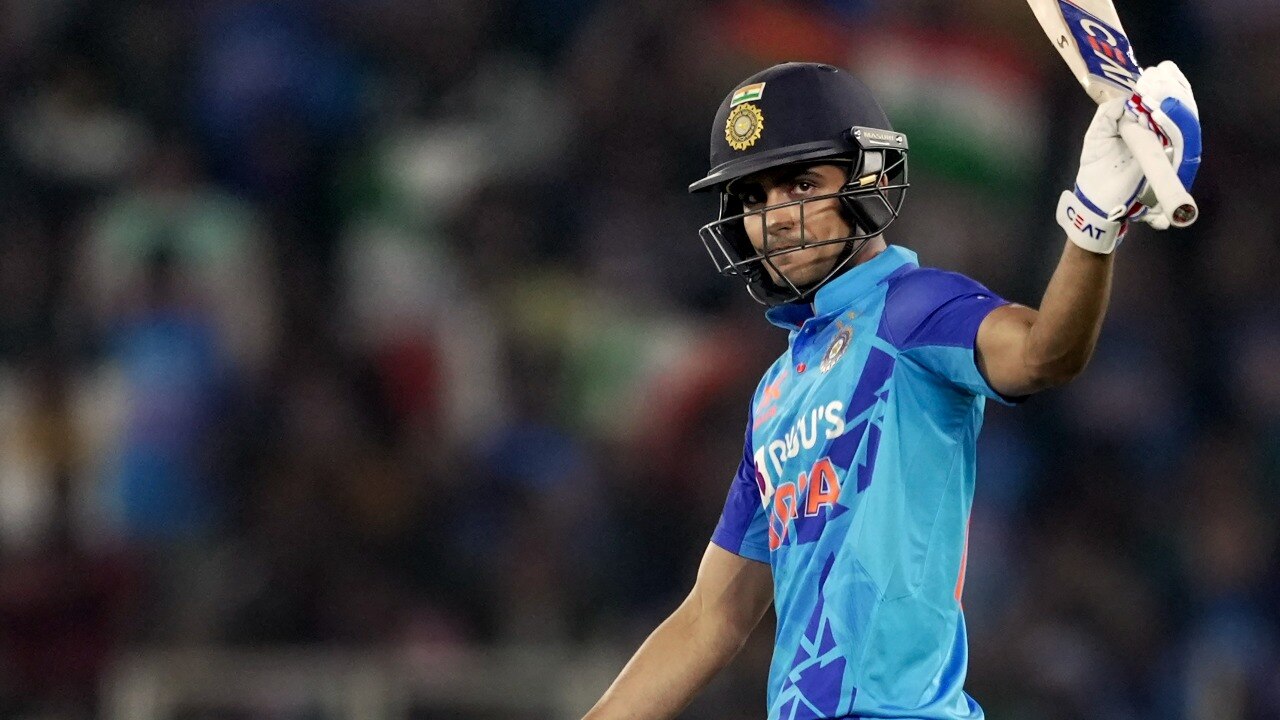
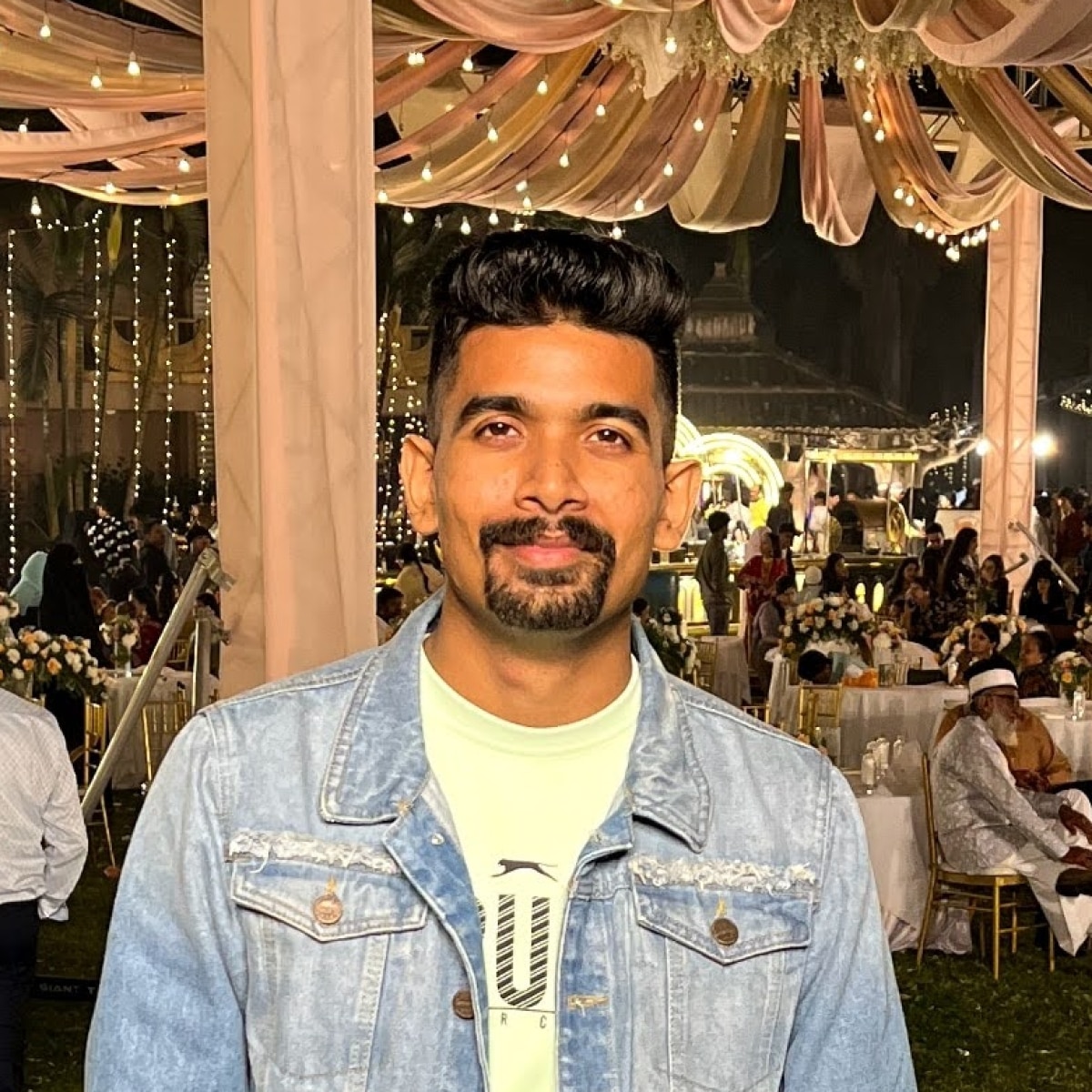
The Board of Control for Cricket in India (BCCI) have taken a massive decision to bring back Shubman Gill into T20Is. The star batter, who last played the shortest format in July 2024, has been re-instated as the vice-captain of the team as the selection committee sees him as a future all-format leader.
With the current T20I skipper Suryakumar Yadav turning 35 in a few days, the BCCI is ready to push Gill for the leadership role in the shortest format as well. The 25-year-old recently had his first big test as he was appointed as Test captain, following Rohit Sharma’s retirement.
However, Gill took the challenge head-on, leading the team from the front and plundering a whopping 754 runs from his bat as he registered four centuries in the five-match series. Under his leadership, India managed to draw the series 2-2 as Gill began his captaincy tenure on a good note.
Having shown sparks of adapting well to the responsibility of leadership, the team management is ready to back Gill and slot him into the T20I side as well. With the Test captaincy already in his hands and having the vice-captaincy of the limited-overs team, Gill isn’t too far away from being the all-format captain.
However, does BCCI’s plan hold any relevance in modern-day cricket? With all major Test-playing nations having different captains for different formats or one captain for two formats, the idea of pushing Gill for all-format captaincy seems ancient.
Australia: Pat Cummins (Test, ODI), Mitchell Marsh (T20I)
South Africa: Temba Bavuma (Test, ODI), Aiden Markram (T20I)
England: Ben Stokes (Test), Harry Brook (ODI & T20I)
India: Shubman Gill (Test), Rohit Sharma (ODI), Suryakumar Yadav (T20I)
New Zealand: Tom Latham (Test), Mitchell Santner (ODI & T20I)
Sri Lanka: Dhananjaya de Silva (Test), Charith Asalanka (ODI, T20I)
Pakistan: Shan Masood (Test), Mohammad Rizwan (ODI), Salman Ali Agha (T20I)
West Indies: Roston Chase (Test), Shai Hope (ODI, T20I)
Bangladesh: Mehidy Hasan Miraz (Test, ODI), Litton Das (T20I)
Ireland: Andrew Balbirnie (Test), Paul Stirling (ODI), Lorcan Tucker (T20I)
Afghanistan: Hashmatullah Shahidi (Test, ODI), Rashid Khan (T20I)
Zimbabwe: Craig Ervine (Test & ODI), Sikandar Raza (T20I)
India is one of the busiest international teams, having a packed schedule throughout the year. Since 2023, the Asian giants have played 129 matches across all three formats, with New Zealand being second with 124 appearances in the same time period.
However, it isn’t just the international commitments that keep Indian players busy. Apart from that, they’re also supposed to play for their respective IPL (Indian Premier League) franchises, which further adds at least 14 extra games for all major Indian players and more if their team reaches the playoffs.
Moreover, apart from leading team India across formats, Shubman Gill will also be leading his IPL team Gujarat Titans (GT), which further adds to his workload.
Former India skipper Virat Kohli had spoken openly about how the burden of captaincy began to affect him, and he eventually had to let go of the leadership duties of the shortest format at both the international and IPL level.
“I captained India for 7-8 years and RCB (Royal Challengers Bengaluru) for nine. There were expectations on me as a batter every single game. I never felt the attention was off me. If not captaincy, it was my batting. I was exposed to it 24x7. It got very tough and too much in the end,” said Kohli in RCB’s Bold Diaries podcast in May 2025.
The pressure of leadership, especially captaining a team like India, which is followed by billions across the globe, is already a big challenge, and the extra pressure of leading an IPL team is a recipe for disaster for anyone. As a result, there aren’t any all-format captains in modern-day cricket amid the rise of T20 leagues all across the globe.
Star India batter Rohit Sharma and Pakistan’s Babar Azam were the last all-format captains to be seen at the international level. However, Rohit skipped most of the T20I series in the lead-up to the World Cup 2024, while Babar also stepped down from his position after it began affecting his batting.
The above examples further corroborate the mental and physical toll of leading one’s national team across formats. While it was a wise call to appoint all-format captains in the era before the advent of T20 cricket, the current cricketing landscape and bilateral obligations make it all the more difficult for a player to oversee the leadership duties of all three formats.
The BCCI has a long-term vision for captain Shubman Gill, however, the growing pressure of leadership can do more harm than good for the ‘prince’ of Indian cricket, who’s yet to prove his worth in T20Is. It remains to be seen how Gill thrives at the top, batting in T20I cricket all over again, but the idea to gift him the all-format captaincy needs re-evaluation.
Newer articles
Older articles

 Smith Targets Test Return After Baseball Cage Recovery Stint
 Oral Cancer: Spotting the Signs, Understanding the Risks, and Why Early Detection is Key to Survival
 5 Silent Signals of Prediabetes You Shouldn't Ignore
 Silent Signals: Don't Ignore These 5 Early Warning Signs of Liver Disease
 Vitamin D Could Slash Tooth Decay Risk by 50%, New Study Finds
 Akmal Slams PCB's Interim Coach Pick: Questions Logic Behind Mahmood Appointment
 Rishabh Pant's Fearless Batting Revolutionizing Test Cricket, Says Greg Chappell
 Brain's "15-Second Rule" Explains Why You're Always Seeing the Past, Study Reveals
 Gavaskar Calls for Kuldeep Yadav's Inclusion Amid Bumrah Fitness Concerns Ahead of Second England Test
 She was once a star, but died forgotten—Actress’ body taken to cremation ground on a handcart