 askforamy.com – Fast Reports & Morning News Briefs
 askforamy.com – Fast Reports & Morning News Briefs
Liver disease encompasses various conditions that impair the liver's function. These ailments can stem from genetic predispositions, viral infections, lifestyle choices like poor diet and alcohol consumption, and obesity. The insidious nature of liver disease lies in its subtle early symptoms, often leading to delayed detection. However, recognizing these understated signs is crucial for timely intervention.

Experiencing chronic fatigue, even after adequate rest, can signal an underlying liver issue. When the liver is compromised, its ability to filter toxins from the bloodstream diminishes. This accumulation of toxins results in persistent weakness and exhaustion, distinct from typical everyday tiredness.

A noticeable loss of appetite or persistent nausea can be indicative of early liver problems. The liver's crucial role in digestion and metabolism means that damage can disrupt the body's food processing, leading to decreased hunger and digestive discomfort.

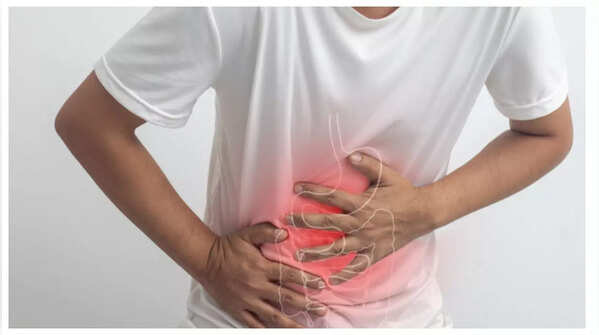
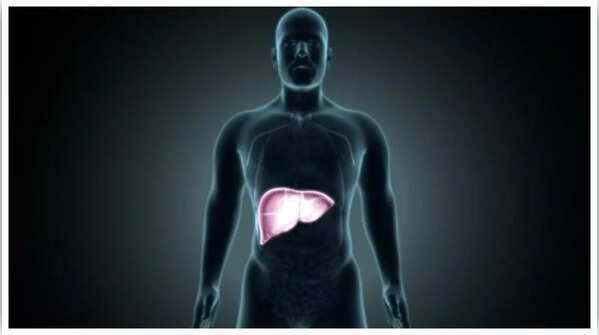
Abdominal pain or discomfort, particularly in the upper right quadrant of the abdomen just below the ribs, warrants attention. This area corresponds to the liver's location. The pain may manifest as a dull ache or soreness, fluctuating in intensity and persisting for months. It may intensify with deep breathing or movement, often being dismissed as indigestion or other stomach issues.
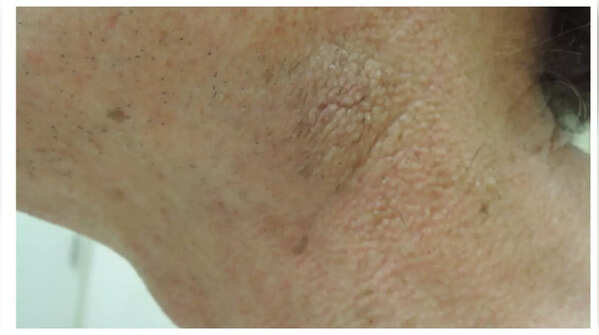
Itchy skin, unrelated to allergies or dryness, can be an early warning sign. Liver damage can lead to a buildup of bile salts in the bloodstream, irritating skin nerves and causing persistent itching throughout the body.
Swelling or puffiness in the legs and ankles can indicate impaired liver function. The liver produces proteins essential for maintaining fluid balance in blood vessels. Damage to the liver can cause fluid leakage into surrounding tissues, resulting in edema. This swelling is often painless but noticeable, especially after prolonged standing or sitting.

The vague nature of early liver disease symptoms often leads to misinterpretation as common health problems. The liver's remarkable regenerative capacity can cause symptoms to appear and disappear, delaying action. However, ignoring these subtle cues can be detrimental, as liver disease can silently progress to severe conditions like cirrhosis, liver failure, or even liver cancer.
Disclaimer: This article is intended for informational purposes only and does not substitute professional medical advice. Consult a healthcare provider for any health concerns.
Newer articles
Older articles

 Smith Targets Test Return After Baseball Cage Recovery Stint
 Oral Cancer: Spotting the Signs, Understanding the Risks, and Why Early Detection is Key to Survival
 5 Silent Signals of Prediabetes You Shouldn't Ignore
 Silent Signals: Don't Ignore These 5 Early Warning Signs of Liver Disease
 Vitamin D Could Slash Tooth Decay Risk by 50%, New Study Finds
 Akmal Slams PCB's Interim Coach Pick: Questions Logic Behind Mahmood Appointment
 Rishabh Pant's Fearless Batting Revolutionizing Test Cricket, Says Greg Chappell
 Brain's "15-Second Rule" Explains Why You're Always Seeing the Past, Study Reveals
 Gavaskar Calls for Kuldeep Yadav's Inclusion Amid Bumrah Fitness Concerns Ahead of Second England Test
 She was once a star, but died forgotten—Actress’ body taken to cremation ground on a handcart